Chianti Wineries TourTickets & Tours
Chianti · Food & drink experience

Best Things to Do at Chianti Wineries

Taste Sangiovese where it grows, learn to read a Black Rooster label, pair the wines with olive oil, pecorino and a long Tuscan lunch, then choose whether to add Greve, Panzano, a castle estate or a second tasting on your trip from Florence or Siena.

Must-doA seated tasting at a Chianti Classico estate
Label to look forThe Gallo Nero (Black Rooster)
Best seasonHarvest (Sept–Oct) or spring (Apr–Jun)
Best village baseGreve in Chianti
Inside the estate

What to notice on a Chianti winery visit

A typical visit lasts 1.5–3 hours: a walk through vines or cellar, then a tasting of three to five wines. Focus on the details below and you will leave understanding what makes Chianti different, not just which bottle you liked.

01Must see

Read the tasting table before you sip

Notice the pour order. Estates usually move from the youngest Chianti Classico (annata) to the Riserva and, if offered, the Gran Selezione, sometimes ending with a Super Tuscan or Vin Santo. Bread, extra-virgin olive oil, pecorino and finocchiona salami are there to show how the wines behave with food.

Look beyond the glassTaste the same wine before and after a piece of pecorino. Sangiovese’s acidity and tannin soften noticeably with food.
02Must see

Learn the three Chianti Classico tiers

Annata is aged at least 12 months. Riserva needs at least 24 months, including three in bottle. Gran Selezione, the top tier introduced in 2014, needs 30 months and estate-grown grapes, and from the 2027 vintage it must be at least 90% Sangiovese.

Detail to findSome Gran Selezione labels now name a village area (UGA), such as Panzano, Radda or Gaiole. Ask the host what their area adds to the wine.
03Standard

Spot the Black Rooster on the neck

Every bottle of Chianti Classico carries the Gallo Nero on its neck seal. The rooster was the emblem of the medieval League of Chianti. The area’s boundaries were first defined by Grand Duke Cosimo III de’ Medici in 1716, one of the earliest legal wine-zone definitions in the world.

RememberNo rooster means it is not Chianti Classico. It may be Chianti DOCG from a wider area, such as Chianti Rufina or Colli Senesi.
04Standard

Compare barrels in the cellar

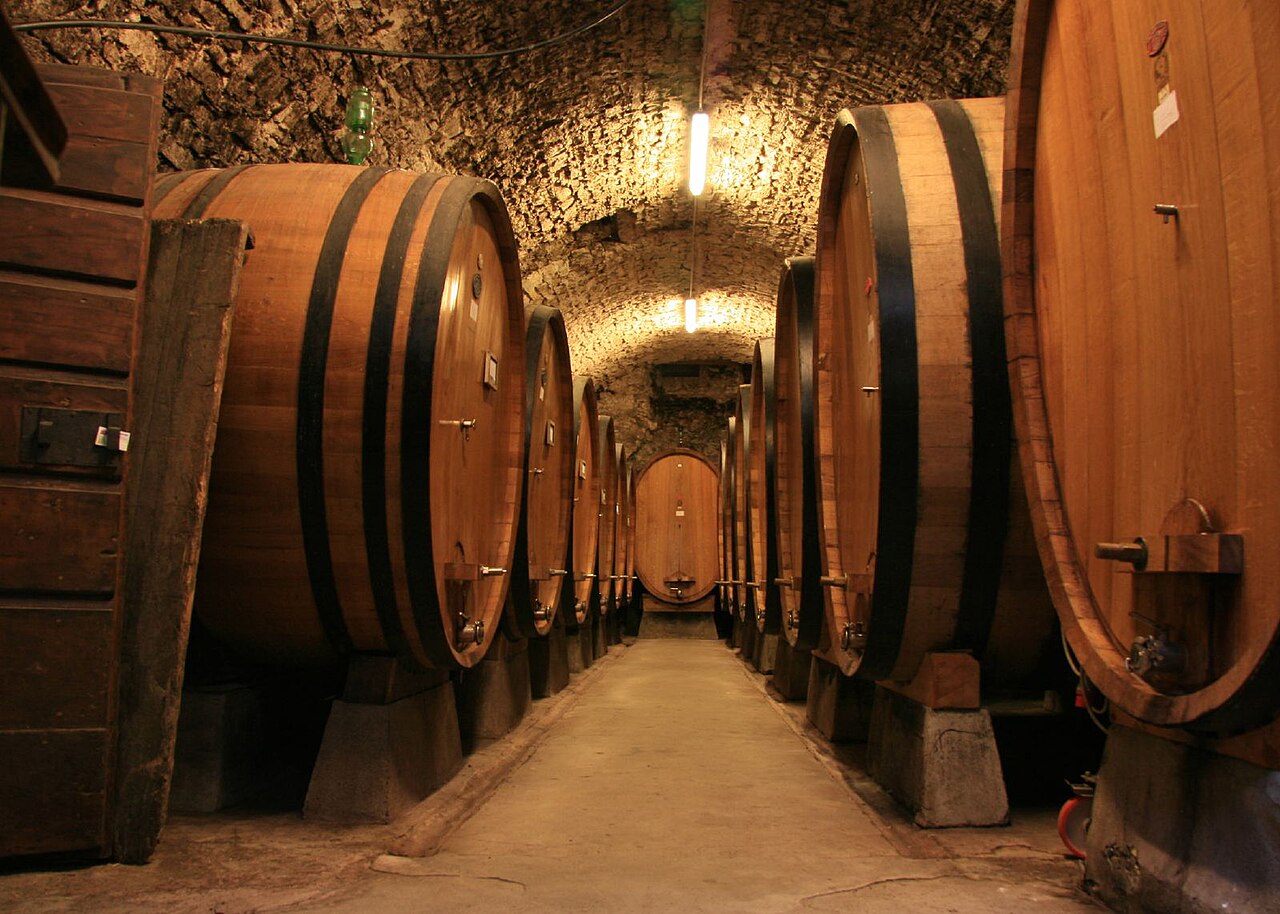
Look at the size of the wood. Large Slavonian or French oak casks (botti) keep Sangiovese’s cherry and floral fruit fresh. Small 225-litre barriques add vanilla, spice and structure. Many estates use both, and some are returning to concrete or amphora.

Why it mattersThe cellar explains why two Chianti Classicos from neighbouring estates can taste completely different.
05Standard

Walk the vines and look at the soil

Chianti Classico vineyards sit between about 200 and 700 metres above sea level. Look for crumbly, flaky galestro (schist-clay) and pale alberese (limestone) stones. Higher, cooler sites such as Radda and Lamole tend to give more fragrant, tighter wines.

Try thisAsk which vineyard your favourite wine came from, then look for it from the terrace.
06Often included

Taste the olive oil properly

Most wine estates also make extra-virgin olive oil, and Chianti Classico has its own protected (DOP) oil. Good new oil is green, grassy and peppery. A cough or tickle at the back of the throat is a sign of healthy polyphenols, not a fault.

Best timingFrom late October to December, many estates pour olio nuovo fresh from the mill.
07Standard

Slow down for the lunch pairing

If lunch is included, expect classic Tuscan dishes such as crostini, pappa al pomodoro or ribollita, pasta with ragù, and grilled or roasted meats. Match lighter dishes with the annata and richer meat with the Riserva.

Try thisTake one sip before a bite and one after it. The change teaches more than any tasting note.
08Special

Finish with Vin Santo and cantucci

Vin Santo del Chianti Classico is a sweet wine made from grapes dried for months, then aged for years in small sealed barrels called caratelli. Tuscans traditionally dip almond cantucci biscuits into it at the end of a meal.

Worth askingAsk whether the estate keeps a madre, the old sediment passed from batch to batch, which some producers treasure for generations.
!
Do not treat Chianti and Chianti Classico as the same wine.

Chianti DOCG covers a large area across several provinces, with seven subzones, and requires at least 70% Sangiovese. Chianti Classico DOCG is the separate historic heartland between Florence and Siena, with at least 80% Sangiovese and the Black Rooster seal. If you want the classic zone, choose a tour that names Chianti Classico clearly.

Large oak botti barrels in a Chianti winery cellar
Big barrels, traditional style. Large oak botti like these are the classic way to age Sangiovese in Chianti, letting fruit and acidity lead rather than new-oak flavour.
Know the labels

Chianti vs Chianti Classico at a glance

They are two separate appellations (DOCGs) with different rules. This quick comparison helps you read wine lists and tour descriptions.

FeatureChianti Classico DOCGChianti DOCG
WhereThe historic hills between Florence and Siena: Greve, Radda, Gaiole and Castellina, plus parts of four neighbouring comuniA much larger area around it across Tuscany, with seven subzones including Rufina, Colli Fiorentini, Colli Senesi and Montespertoli
Vineyard areaAbout 7,000 haAbout 15,500 ha
SangioveseAt least 80% (90% for Gran Selezione from 2027)At least 70%
Quality tiersAnnata (12 months) · Riserva (24 months) · Gran Selezione (30 months)Chianti · Superiore · Riserva (24 months)
SymbolBlack Rooster (Gallo Nero) sealNo rooster; usually named by subzone
StyleStructured, with firm acidity, red cherry, violet and earthy notes; ages wellVaries widely, from easy-drinking to serious (Rufina is often closest to Classico)

Rules summarised from the Chianti Classico and Chianti consortia specifications, as reported by WSET and Italian Wine Central.

After / Around

Best things to do near Chianti wineries

Villages, castles and abbeys are all within a short drive of each other along the Chiantigiana road (SR222) between Florence and Siena. Choose one or two based on the time and energy you have left.

01Best free addition

Walk around Greve in Chianti

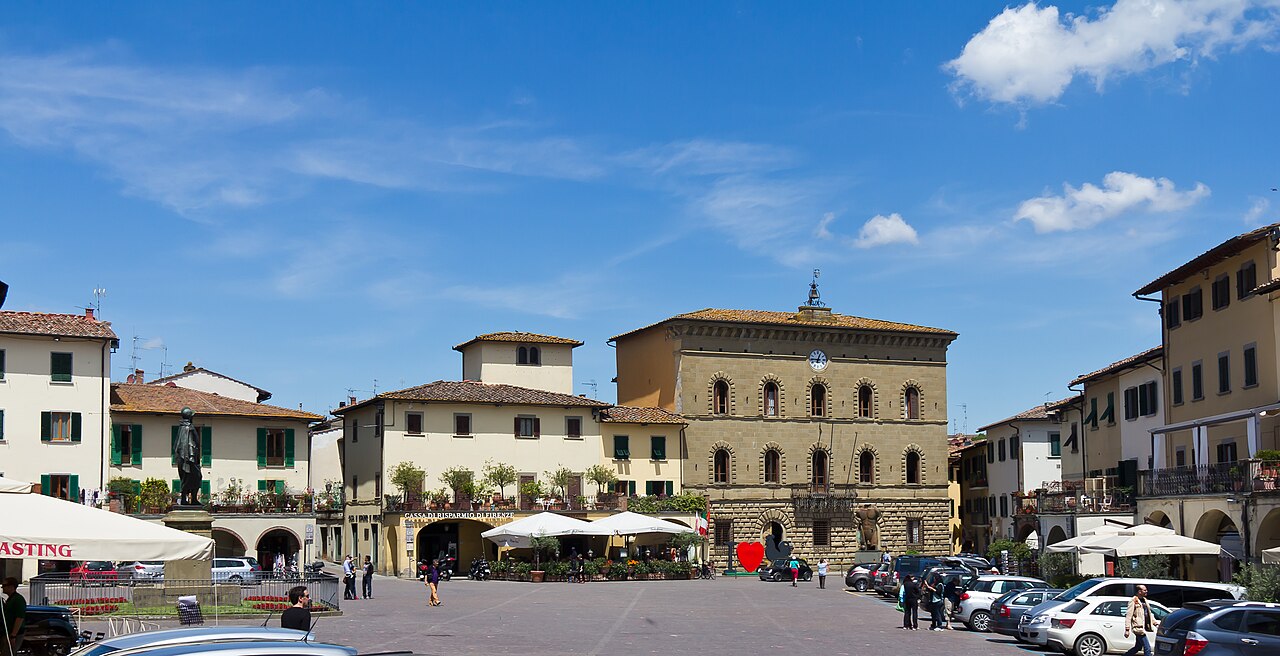
Greve’s arcaded, funnel-shaped Piazza Matteotti is the social heart of the area. It has wine shops, cafés and a statue of the explorer Giovanni da Verrazzano, born at nearby Castello di Verrazzano. It hosts the Expo del Chianti Classico wine festival every September.

Best forA short stroll, an espresso and a browse of the local enoteche (wine shops).
02For food lovers

Stop in Panzano for the Conca d’Oro

Panzano overlooks the Conca d’Oro, a south-facing “golden bowl” of vineyards that is one of the most admired sites in Chianti Classico. The village is also home to Antica Macelleria Cecchini, Dario Cecchini’s famous butcher’s shop.

Before adding itMeals at the butcher’s shop restaurants need a booking in high season.
03History

Visit Castello di Brolio

The Ricasoli family has owned Brolio, near Gaiole, since the 12th century. In 1872 Baron Bettino Ricasoli, later Italy’s prime minister, wrote down the grape “formula” that shaped modern Chianti. The castle gardens, chapel and views are open to visitors.

Best forCombining a tasting with a real castle and one of the most-cited stories in Italian wine.
04Special

See Badia a Passignano

This fortified Vallombrosan abbey is surrounded by vineyards farmed by the Antinori family. Its refectory holds a Last Supper fresco by Domenico and Davide Ghirlandaio (1476). The abbey is still an active monastery, so visiting hours are limited.

Check firstConfirm guided visit times in advance. The Osteria di Passignano next door is a fine-dining option.
05Hill town

Explore Radda or Castellina

Radda was the seat of the medieval League of Chianti, with a Palazzo del Podestà covered in coats of arms. Castellina has a covered medieval walkway, Via delle Volte, and the Etruscan tomb of Montecalvario on its edge.

Simple approachPick one village for a 45-minute walk rather than ticking off several.
06Longer visit

Add a second winery only if you still have energy

A second estate is worthwhile if you want a comparison, for example a small family producer after a large historic house, or a high-altitude Radda estate after a warmer Castelnuovo Berardenga one.

ImportantTwo tastings in a day is plenty. After lunch, a third stop usually blurs together.
Arcaded Piazza Matteotti in Greve in Chianti
Piazza Matteotti, Greve in Chianti. The arcaded market square is the easiest village stop between Florence and the heart of Chianti Classico, and home to the annual Expo del Chianti Classico.
If wine matters most

Choose a Chianti Classico estate

Pick a visit that pours annata, Riserva and Gran Selezione side by side. It is the clearest lesson in how Sangiovese changes with time and site.

If food matters most

Choose the lunch pairing

A lunch tasting, or a stop in Panzano, makes the day feel complete without adding more driving.

If history matters most

Choose Brolio or Passignano

Both combine wine with centuries of history in a single stop.

A simple day plan

Build the day around three decisions

01 Guided transport or self-drive

A tour or private driver lets everyone taste. Self-driving only works if the driver skips most pours, because Italy’s drink-driving limit is low.

02 One main tasting focus

Choose Chianti Classico tiers, a food-and-wine lunch, or a castle estate. Do not try to make all three the main event.

03 One extra only

Add Greve, Panzano, or a second winery. One extra keeps the day relaxed.

Choose the right visit

Which ticket or format suits you best

The choice depends less on the tour name than on what you want: a simple tasting, a long lunch, a deeper Chianti Classico focus, or transport handled for you.

Independent tasting at an estate

Best if you have a car and a designated driver

You book directly with a winery, often through its website. It is the most flexible format and often the most personal, but you handle the transport.

  • Book ahead, because many estates only take visits by appointment.
  • Many small wineries are closed on Sundays.
  • Confirm how many wines are poured and whether food is included.
Day or half-day trip from Florence

Best if you do not want to drive

This covers round-trip transport, usually one or two wineries and often a village stop. Half-day tours take about 4–5 hours; full days take 8–9.

  • Check the Florence meeting point and return time.
  • Check group size, since minibuses feel very different from coaches.
  • Check which estates are visited, as they can change.
Wine and food tour

Best if lunch matters as much as wine

The tasting becomes a meal, often in the estate’s farmhouse or garden. It gives you a stronger food focus but leaves less time for sightseeing.

  • Check what “lunch” means: a light platter or a full meal.
  • Mention dietary needs when booking.
  • Do not assume village time is built in.
Chianti Classico focus

Best if you want the historic zone

Choose this for the Black Rooster heartland and a proper side-by-side of the tiers. It gives the most direct Chianti Classico context.

  • Check that “Chianti Classico” appears in the listing.
  • Look for Riserva or Gran Selezione in the tasting list.
  • Ask whether it includes a cellar or vineyard walk.
Driving yourself

Know the limit

Italy’s legal limit is 0.5 g/l of blood alcohol, and zero for drivers with less than three years’ experience. Police checks are common on wine roads, and penalties are severe.

Buying bottles

Ask about shipping

Many estates ship within the EU and to some countries outside it. Otherwise, pack bottles in checked luggage, since most airport security limits stop liquids over 100 ml in hand luggage.

What to wear

Comfortable shoes, no perfume

Vineyard paths are uneven and cellars can be cool. Skip strong perfume or aftershave: it interferes with smelling the wine, yours and everyone else’s.

When to go

Every season changes the winery visit

Most estates welcome visitors from spring to autumn. Winter is quieter, and some smaller wineries reduce opening or close entirely.

01April–June

Spring: green vines and mild days

Vines bud and flower, wildflowers line the roads, and temperatures are ideal for walking vineyards. New releases are often poured for the first time.

Good forCombining tastings with walks and village stops without summer heat.
02July–August

Summer: long evenings, hot middays

This is peak visitor season, with hot afternoons. Book early, and choose morning or late-afternoon tastings. Many Italians holiday around Ferragosto (15 August).

Good forSunset tastings and dinners on estate terraces.
03September–October

Harvest: the most atmospheric time

Grapes are picked (vendemmia), and cellars smell of fermenting must. Greve’s Expo del Chianti Classico runs over four days in September; the 2026 edition was 10–13 September. Gaiole hosts L’Eroica vintage-bike ride in early October.

Watch outSome wineries limit visits during the busiest picking days, so book well ahead.
04November–March

Olive harvest and quiet winter

From late October into November and December, olives are milled and olio nuovo appears. Winter visits are intimate and cheaper, but check opening times carefully.

Good forSmall groups, fireside tastings and fresh-pressed olive oil.
Bookable options

Compare the formats by what each one solves

Each option below does a different job: easy transport, food pairing, a shorter escape, or a deeper Chianti Classico focus.

Chianti wineries tour from Florence Most reviewed
★ 4.5 · 11,679 reviews*

Florence: Chianti Wineries Tour with Wine Tasting

A strong first choice if you want a simple day trip from Florence with transport and tastings. It is an easy way to try the Chianti format before planning anything more specialised.

From€50check live price
View details →
Wine and food tasting in the Chianti countryside 2 wineries + food
★ 4.5 · 3,366 reviews*

From Florence: Chianti Wine & Food Tour with 2 Wineries

Best for travellers who want wine and food together, with two estates to compare, without committing to a full day.

From€48check live price
View details →
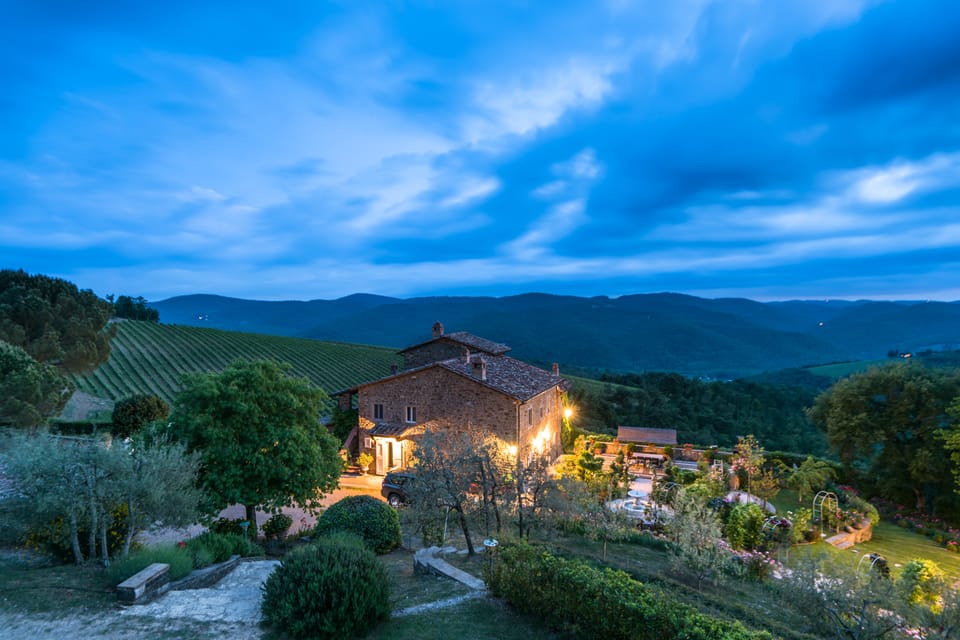
Chianti hills and winery road near Florence Half-day
★ 4.6 · 656 reviews*

Half-Day Escape to Chianti: Taste the Heart of Tuscany

A good fit if you want the Chianti experience without a full day out, leaving the rest of the day for Florence.

From€49check live price
View details →
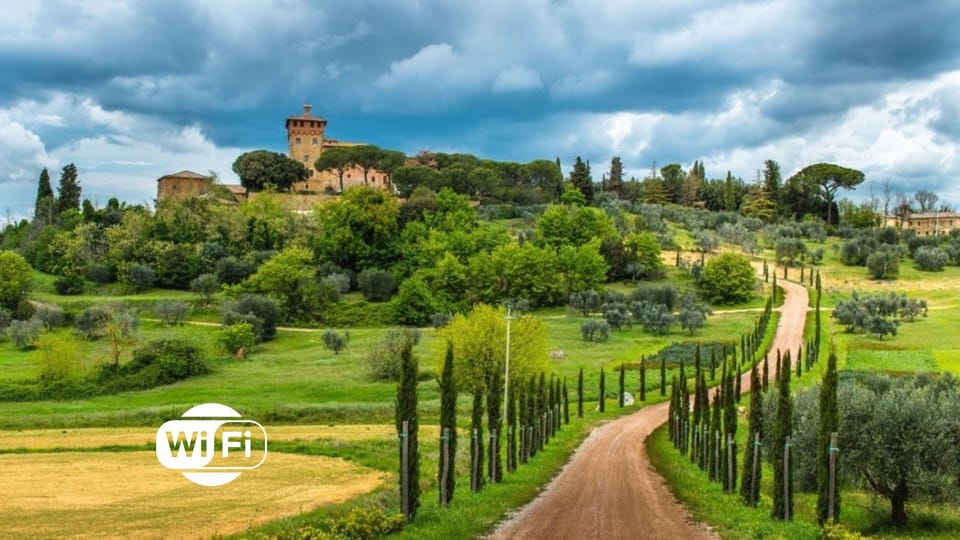
Vineyards and tasting setup in Chianti From Siena area
★ 4.9 · 457 reviews*

Total Immersion Wine Tour in Chianti

Best for a deeper countryside wine focus at a lower starting price. It suits travellers based around Siena rather than Florence.

From€40check live price
View details →
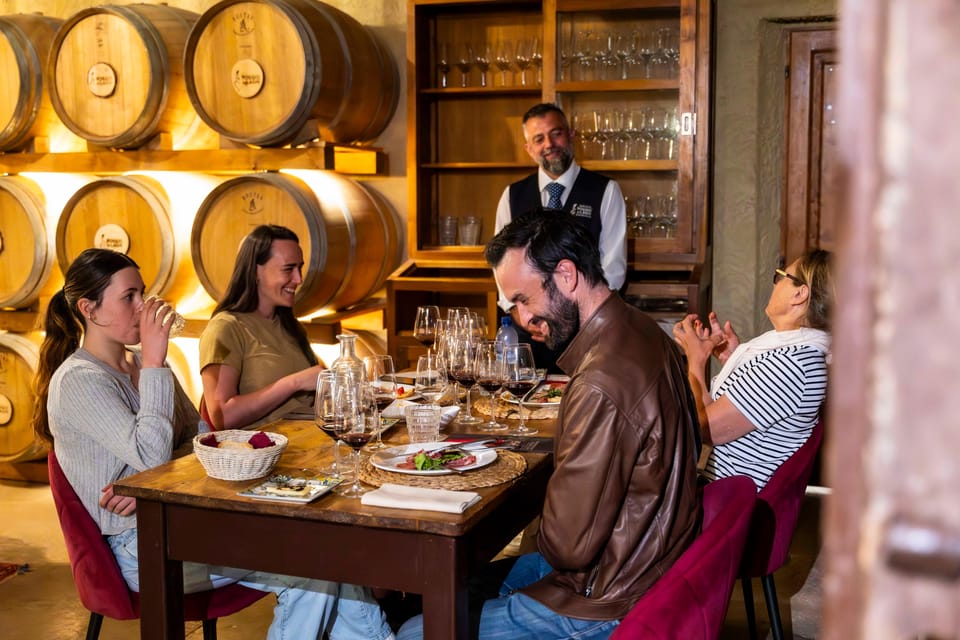
Lunch table with wine tasting in Chianti Lunch + tasting
★ 4.8 · 183 reviews*

Chianti: Lunch with Wine Tasting at Poggio ai Laghi Winery

Choose this when lunch is the main goal and the tasting supports it. It suits a slow day with one proper food stop near Monteriggioni.

From€35check live price
View details →
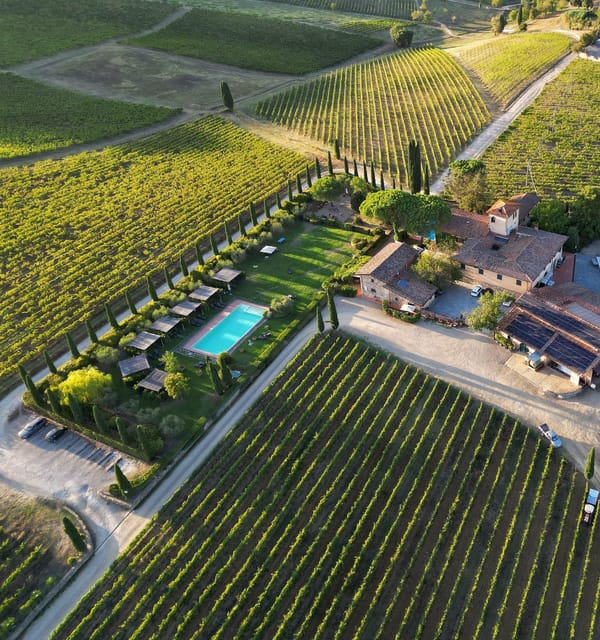
Wine estate and tasting in the Chianti Classico area Chianti Classico focus
★ 4.9 · 45 reviews*

Discover Chianti Classico Wines with a Visit and Tasting in Viticcio

A strong pick for the historic zone and a clear Chianti Classico tasting at an estate near Greve. It is best if you are making your own way there.

From€35check live price
View details →

Chianti Wineries Tour is an independent visitor guide and is not the official website of any winery, consortium or operator. Some links are affiliate links, which means we may earn a commission at no extra cost to you. *Ratings, review counts and starting prices come from the booking provider’s data at the time of writing and can change. Check the live booking page for your date and option.

Food & breaks

When and what to eat on a Chianti winery day

Plan food around the route, not squeezed between tastings. Tasting on an empty stomach is the fastest way to end the day early.

Before you set off

Eat a real breakfast

Have more than a cornetto before a Florence departure. The first pours often come mid-morning, well before lunch.

Midday

Make lunch the main event

If your tour includes lunch, let it be your main meal. If not, book a trattoria in Greve, Panzano or Radda. Many kitchens serve lunch only from about 12:30 to 14:30.

Heading back

Keep the final stop simple

A coffee or gelato in a village square is enough before the drive back to Florence or Siena.

Local foods worth trying

  • Finocchiona IGP: soft pork salami flavoured with wild fennel seeds, the classic partner for young Chianti.
  • Pecorino Toscano DOP: sheep’s-milk cheese. Fresh pecorino suits the annata, and aged pecorino suits the Riserva.
  • Chianti Classico DOP extra-virgin olive oil: grassy and peppery, best on unsalted Tuscan bread (pane sciocco).
  • Bistecca alla fiorentina: a thick T-bone sold by weight and served rare, a classic match for Riserva or Gran Selezione.
  • Ribollita and pappa al pomodoro: hearty bread-based soups made for Sangiovese’s acidity.
  • Vin Santo with cantucci: the traditional end to a Tuscan meal.
Keep the day workable

Eight checks before you finalise plans

A good day and an exhausting one usually differ in how many separate things you try to fit around one tasting and one road route.

Book ahead

Most estates only take visits by reservation, and small ones may have just a few slots a day. Book at least a few days ahead, and weeks ahead in September.

Check if it is really Chianti Classico

If you want the Black Rooster heartland, make sure the listing says Chianti Classico, not just “Chianti” or “Tuscany”.

Do not plan too many tastings

One or two estates is the sweet spot. Standard tastings pour roughly three to five wines each.

Sort the driving first

If nobody wants to stay sober, book a tour or private driver. Winding roads, the low drink-drive limit and frequent checks make self-driving risky.

Check Sunday and holiday openings

Many family wineries close on Sundays and public holidays. Larger estates are more likely to open seven days a week in season.

Allow for road time

Distances look short, but the Chiantigiana is winding. Allow 45–60 minutes from Florence to Greve or Panzano, and more to Radda or Gaiole.

Share dietary needs

Tell the operator about vegetarian, gluten-free or alcohol-free guests when booking. Most estates can adapt with notice.

Confirm the meeting point and return time

Florence departures leave from specific points near the centre. Save the address and the operator’s phone number offline.

Quick answers

Chianti winery FAQs

Short answers to the questions visitors ask most often before booking.

What is the difference between Chianti and Chianti Classico?

They are separate DOCGs. Chianti Classico is the historic zone between Florence and Siena, with at least 80% Sangiovese and the Black Rooster seal. Chianti covers a wider area and needs at least 70% Sangiovese.

How far is Chianti from Florence?

Greve in Chianti is about 30 km south of Florence, or roughly 45 minutes by car along the SR222 Chiantigiana.

How many wineries can I visit in one day?

Two is comfortable, and three is the realistic maximum. Each visit usually takes 1.5–3 hours including the tasting.

Do I need to book winery visits in advance?

Yes, at most estates. Walk-ins are sometimes possible at larger wineries and village enoteche, but not guaranteed.

When is the best time to visit Chianti wineries?

September and October for the harvest atmosphere, or April to June for mild weather and green vineyards.

What does the Black Rooster mean?

The Gallo Nero, the old emblem of the medieval League of Chianti, is the seal of the Chianti Classico consortium. Only Chianti Classico wines carry it.

Choose your visit

Ready to plan your Chianti winery day?

For most first-time visitors, the easiest plan is one departure from Florence or Siena, one Chianti Classico tasting that compares annata, Riserva and Gran Selezione, a proper lunch, and one extra stop only if you still have energy.

Images via Wikimedia Commons: Chianti landscape by Davide Taviani (CC BY 3.0); oak botti in Chianti by Rob & Lisa Meehan (CC BY 2.0); Piazza Matteotti, Greve by Raimond Spekking (CC BY-SA 4.0). Tour images from GetYourGuide. Wine rules checked against the Chianti Classico consortium specifications as reported by WSET and Italian Wine Central. Event dates from Expo Chianti Classico.